
Childcare Funding Options. Making Sense of Funded Nursery Hours
Updated: Nov 19, 2025
Navigating the world of childcare funding can feel overwhelming. When you’re juggling work, family life, and everything in between, understanding your options for early years education funding is a real help. We want to share some clear, practical information to make this easier for you. Together, we’ll explore how to make the most of funded nursery hours and other childcare funding options available.
Understanding Childcare Funding Options
Childcare funding is designed to support families by making early education more affordable. There are several schemes that can help you cover the costs of nursery care for your little ones aged 2 to 5 at Sankofa Nursery. These options are especially valuable for working parents who want their children to have a great start in life without the financial stress.
Here are some of the main childcare funding options you might come across:
15 hours free childcare: Available for all 3 and 4-year-olds, and some 2-year-olds who meet certain criteria.
30 hours free childcare: For working families 3 and 4-year-olds, offering an extra 15 hours on top of the universal 15 hours. From September 2025, eligible working parents in England can get 30 hours of government-funded childcare per week for children aged 9 months up to four years old, which is 1,140 hours per year.
Tax-Free Childcare: A government scheme where you can get up to £2,000 per child per year to help with childcare costs.
Childcare Vouchers: Some employers offer these as a salary sacrifice scheme to help with childcare fees.
Each of these options has its own eligibility rules and application processes. It’s worth checking what fits your family’s situation best.
How Funded Hours Work in a Nursery Setting
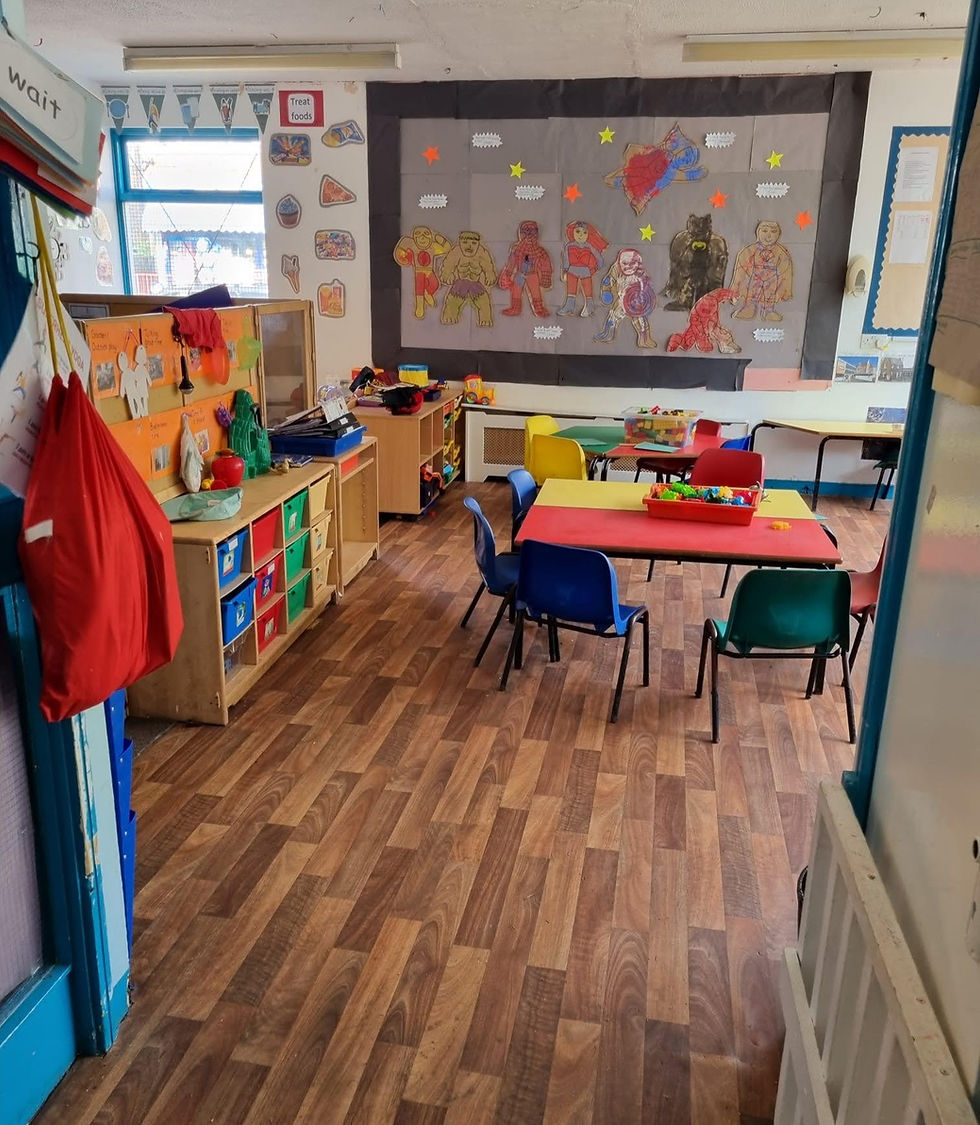
When you hear about a funded hours nursery, it means the nursery accepts government funding to provide free childcare hours. This funding helps reduce the cost of childcare for families.
For example, if your child is eligible for 15 hours free childcare, the nursery will claim this funding on your behalf. You then only pay for any additional hours or services beyond the funded hours. This can make a big difference in your monthly childcare budget.
Here’s how it typically works:
Check eligibility: Confirm your child’s age and your family’s circumstances.
Apply for funding: You may need to register or apply through your local council or the nursery.
Book your hours: Decide how many funded hours you want to use and when.
Pay for extra hours: If you need more than the funded hours, you pay the nursery directly.
Many nurseries, including those in Peckham, offer flexible options to fit around your work schedule. This flexibility is a real bonus for busy families.

Do I Need a Code for 15 Hours Free Childcare for a 3 Year Old?
This is a common question, and the answer depends on the type of funding you’re applying for. For the universal 15 hours free childcare, you do not need a code. This is available to all 3 and 4-year-olds regardless of your income or work status.
However, if you want to claim the additional 15 hours (making it 30 hours total), you will need to apply for a code. This code confirms your eligibility based on your work status and income. You can apply for this code online through the government’s childcare service.
Here’s a quick breakdown:
15 hours universal entitlement: No code needed.
30 hours extended entitlement: Code required.
2-year-old funding: Usually requires a code based on eligibility criteria.
Make sure to keep your code handy and renew it when necessary to avoid any disruption in your funding.
Tips for Making the Most of Your Funded Hours
Using funded hours effectively can really help balance your family’s needs and budget. Here are some tips I’ve found useful:
Plan your hours carefully: Think about your work schedule and when you need childcare the most. We allow you to spread your funded hours over more days or concentrate them into fewer days.
Ask about flexibility: Not all nurseries offer the same flexibility. Find one that can accommodate your preferred hours.
Combine funding options: If you qualify for Tax-Free Childcare or childcare vouchers, use these alongside your funded hours to reduce costs further.
Communicate with your nursery: Keep an open line with your nursery staff. They can help you understand how to book your hours and what extra services might cost.
Keep track of deadlines: Funding codes and applications often have deadlines. Mark these in your calendar to avoid missing out.
By staying organised and informed, you can make the most of the support available.
Supporting Your Child’s Early Learning Journey
Choosing a nursery that accepts funded hours is just the start. What really matters is the quality of care and education your child receives. At places like Sankofa Nursery in Peckham, the focus is on nurturing confident learners in a warm, family-run environment.
When your child attends a funded hours nursery, they benefit from:
Qualified, caring staff who understand early childhood development.
A rich learning environment with age-appropriate activities.
Opportunities to build social skills with other children.
Support for your child’s individual needs and interests.
Remember, funded hours are not just about saving money. They’re about giving your child a strong foundation for their future learning and growth.
If you want to explore more about how funded hours work at Sankofa Nursery, you can visit our funding and fees page for detailed information or give us a call to discuss (0207 277 6243).
We hope this guide helps you feel more confident about childcare funding options available to you. Remember, you’re not alone in this journey. With the right information and support, you can find the best solution for your family and give your child a wonderful start in life.


Comments